
PROJECTS > KIBERA WATSAN
PROJECT DESCRIPTION
KWAHO/WaterCan - WatSan in Kibera

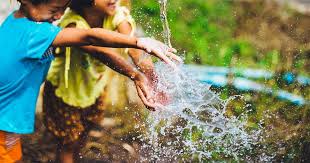
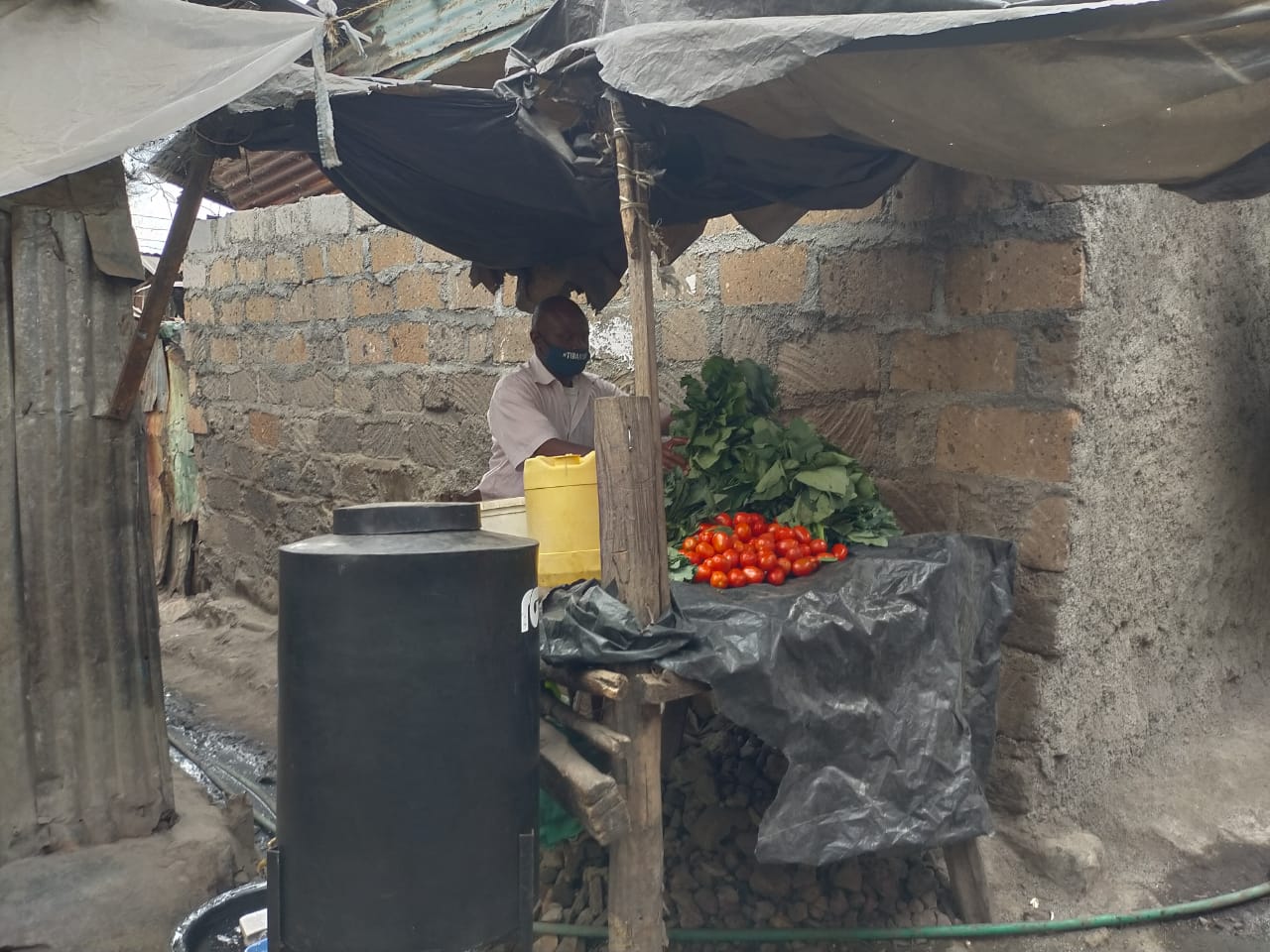
A common scene in Kibera.
Location
Kisumu Ndogo/Makina Village - Kibera, Nairobi
Key Components
Water Supply, Sanitation, Hygiene Education, Capacity Building, Income Generating Activities
Brief description of project goal, objectives and expected results:
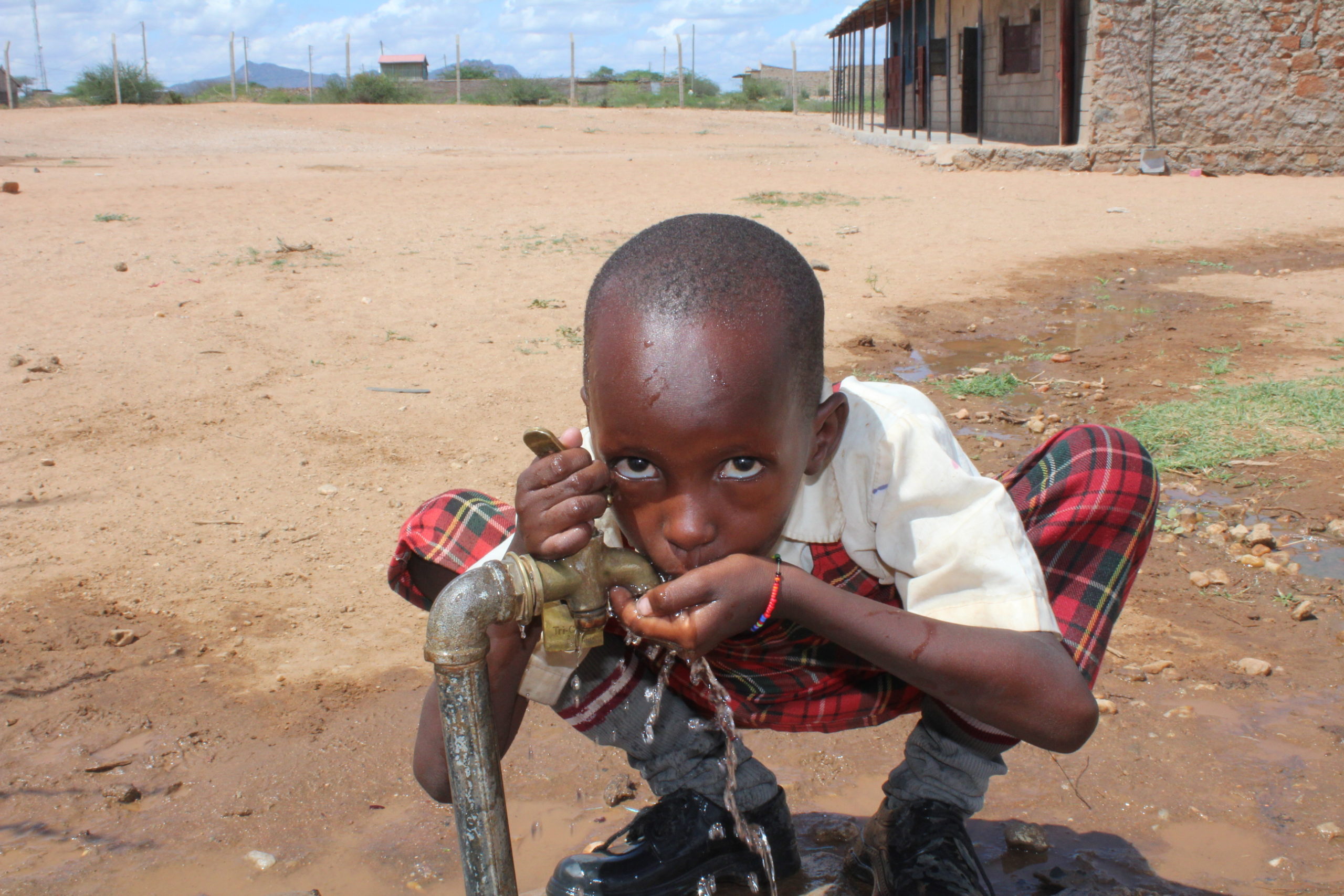
To provide clean, safe water within reasonable distance and to improve the community’s living standards by providing proper sanitation with a view to reducing waterborne diseases.
The project is in its 2nd year and so far 3 water tanks of 10,000 liters have been installed one of them being at Makina Baptist School. The remaining two are located in Kisumu Ndogo village and are managed by Darajani Women Group and Kisumu Ndogo Usafi na Maendeleo Group (partner CBOs) respectively.
In addition to the water points the project has helped the community
to construct 2 VIP latrines of 4 doors managed commercially by the two
CBOs.
Waste management is done by the Afya group of youths to whom the project
helped develop a garbage collection point that is also used for sorting,
preparing waste for composting within the slum and incineration of non
plastics. After sorting and composting the youth market materials to business
around Kibera.
Project Reach
The project beneficiaries are residents of Kisumu Ndogo and teachers and pupils of Makina Baptist School. By the end of the 2nd year more than 6500 residents and 470 teachers and pupils will benefit from the project both directly and indirectly. This includes all the age groups. Distribution by gender gives 4,200 women and about 2,770 men.
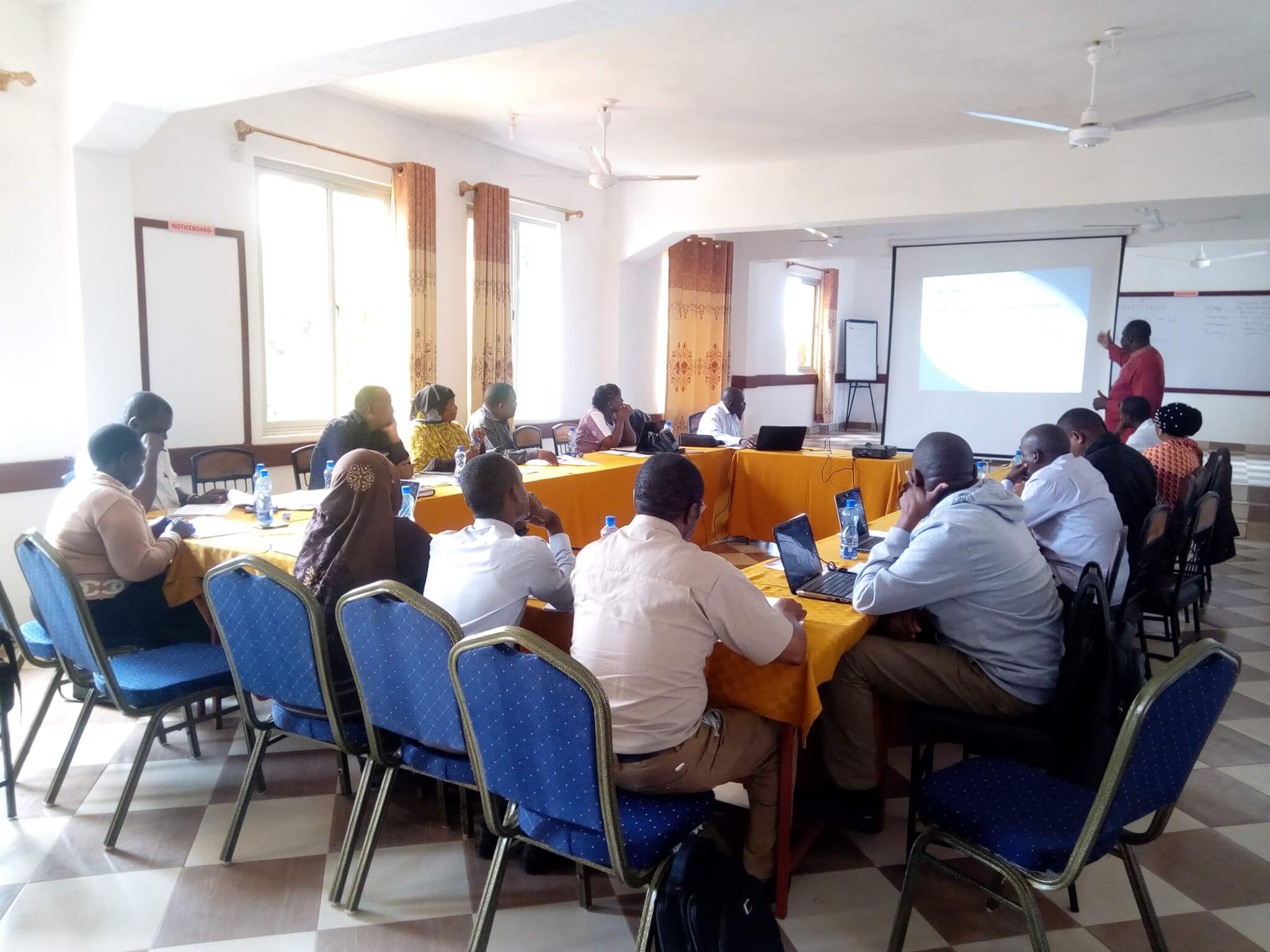
They will also have had adequate capacity building to manage O&M of the installations and also take charge of leadership and mobilization of their fellow residents as a way of transferring and sharing knowledge on health and hygiene as trained hygiene promoters. Training in environmental conservation and sanitation is another key area that the project’s software component continues to put more emphasis.
For the sustainability of the facilities, the two communities continue to receive relevant training on management, records keeping and leadership roles. Environmental protection was addressed.
Project Objectives
The project goals were achieved through specific objectives of the project as follows:
- To improve the standard of living of the informal settlement by providing access to adequate potable water.
- To facilitate the installation of water storage tanks using the Kentainer tanks for long lasting and easy maintenance by the community.
- To rehabilitate the water piping system from the water mains to the delivery point.
- To improve water quality through SODIS water disinfection technology, which is currently in use.
- To strengthen community management and institutional capacity in order to run and manage installed facilities.
- To promote health through hygiene education, water and sanitation facilities, environmental, and waste management issues.
- To facilitate gender equity in project formulation, decision making and management facilities and services.
- To improve the cleanliness of the environment through organised garbage collection in the community.
- To empower the communities to save through the compulsory group savings from funds generated from the project.
Beneficiaries’ participation in designing the project
Entry into the Community is normally done through the existing registered
community groups in the area. Before picking on the target group, a meeting
is held at the Chief's office between the Provincial Administration officials
for KWAHO to declare her intention to expand their development activities
to another village.
KWAHO did a survey of the status of the water and sanitation facilities
in the area before the project started. Most of the facilities were dysfunctional.
Water tanks that were once functional were perforated and unusable. Sanitary
facilities were very inadequate. During implementation, the community
participated in the construction of water and sanitation facilities. They
kept records of all the activities carried out during the implementation
period
Project activities
Mobilization and registration of CBOs
Mobilization of the community living in Kisumu Ndogo village started
with the collaboration of KWAHO’s community committee, based in
Kibera since 1981. The committee has always been KWAHO’s entry point
to Kibera during its various development programs that KWAHO has partnered
with Kibera residents. With the support and participation of the provincial
administration, several public meeting were organized to publicize the
project and its objectives.
Currently the CBO called Kisumu Ndogo Maendeleo Usafi Group (KMUG) has
45 members with a management committee of 10 people drawn from the water,
Latrine and Afya group. The CBO was registered and mandated to carry out
its duties under the following objectives:
• To improve the water and sanitation services in Kibera through
development of water points, latrines waste management and hygiene promotion
campaigns.
• To sensitise the Kibera community about the dangers of HIV/AIDS,
fight stigma and advocate for affordable health care for infected persons
• To engage in self-help initiatives and to maximise the use of
community resources to enhance development and self-reliance.
• To seek partnership with other stakeholders to attain the groups
development objectives.
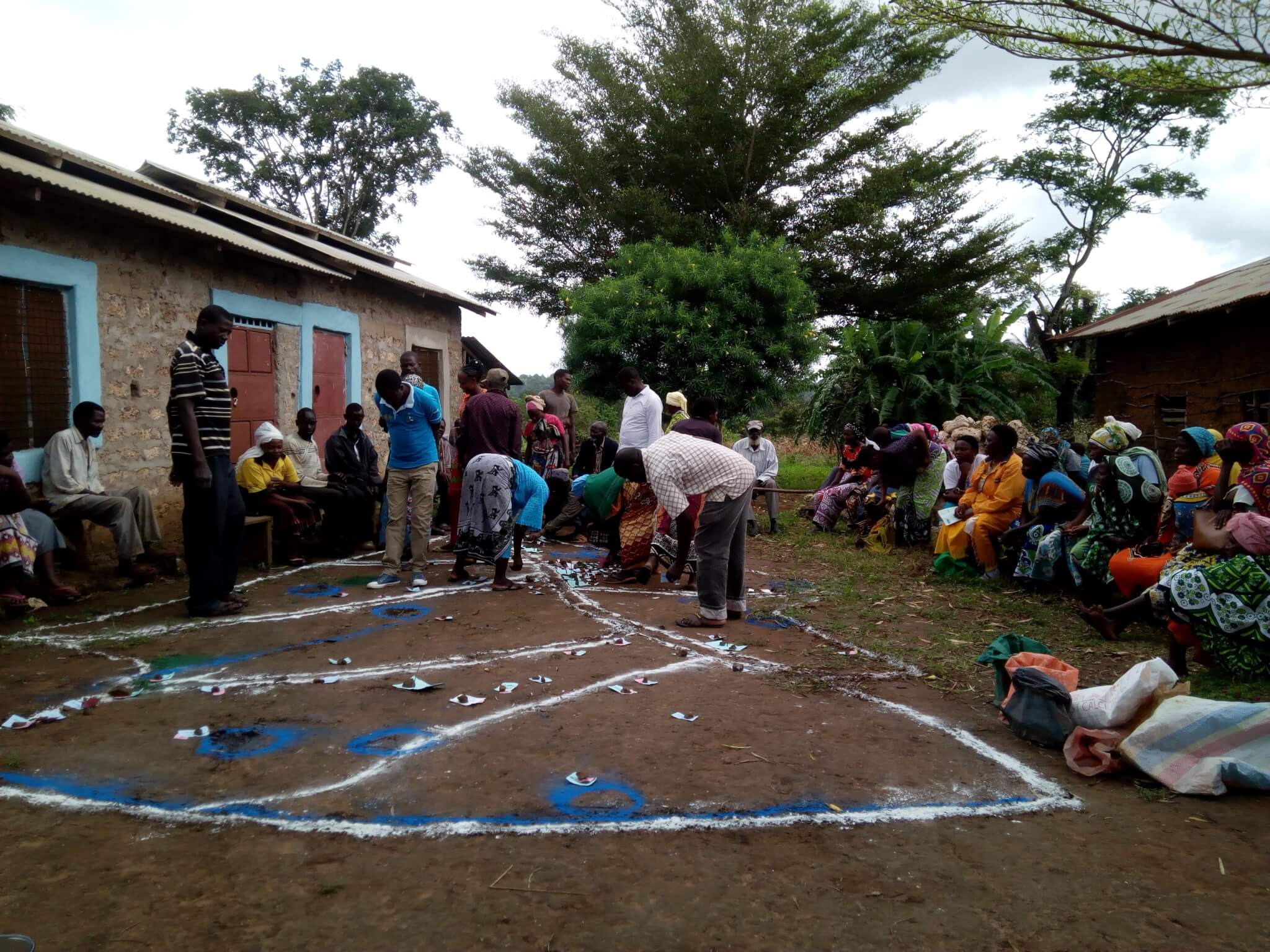
Hygiene Promotion
PHAST- Participatory Hygiene and Sanitation Transformation
The two CBO’s and the school community have benefited from a total
of 21 days each of PHAST training (for the CBO’s ) and 10 days for
the school community. The training sessions were spread throughout the
project duration. There are 10 training reports compiled and the outcome
of each report formed the basis on which the successive IEC materials
were developed.
The following were the main objectives of PHAST:
• To promote hygiene through community participatory approaches
• To promote gender issues and task analysis as a way of empowering
in community development
• To challenge the members on hygiene and sanitation issues as a
way of provoking transformation
• To enhance group cohesion and participation community activities
• The last training held in August 16th and August 20th was training
of trainers (TOT) geared towards making the group members, PHAST trainers
capable of producing PHAST training tools using locally available resources.
1st community water point - Kisumu Ndogo Maendeleo na Usafi Group

The new installed water tank in Kisumu Ndogo/Kibera.
The water point (tank) was officially inaugurated as a water vending
point in March 2004 by WaterCan Executive Director from Canada. The 6,000-litre
tank is situated on the eastern side of Kisumu Ndogo village and it serves
more than 2,000 people in the neighborhood.
The initial survey and connection of water to the tank was done by the
Nairobi City Council.

1st community VIP latrine.
1st community VIP latrine
The four doors VIP Latrine has been in use by the public since July 2004. It has a 250L storage tank on top of the roof and the water is used for hand washing and cleaning the latrine. Latrine users association charges a fee of Ksh 2 per visit to the facility. The group also has a provision for monthly clients who pay according to the number of members of their family.
The day to day management/supervision of the running of the latrine is under an attendant who presents reports to the latrine users committee on dailiy basis. An attendant receives cash, issues receipts to the clients and encourages/explains to them the importance of washing hands regularly. She records and reconciles the revenues collected every morning and evening.
2nd community water point - Darajani Women Group
On completion the point will be managed by Darajani Women Group a registered CBO that is KWAHO’s partner in the current (2nd phase) of project implementation. It has a membership of 25 (5men and 20 women). The group is also involved in “merry go round” activities that contribute money on rotational basis to members on monthly basis. Currently the members are involved in health and hygiene promotion activities in Kibera slum and they are commonly referred to as hygiene promoters.
Capacity building (Darajani Women Group)
The members of the group have been trained in Leadership and organization,
hygiene promotion and operation and maintenance of the 10,000 liters water
storage tank that is connected to main municipal water supply system.
3rd water point - Makina Baptist Primary School
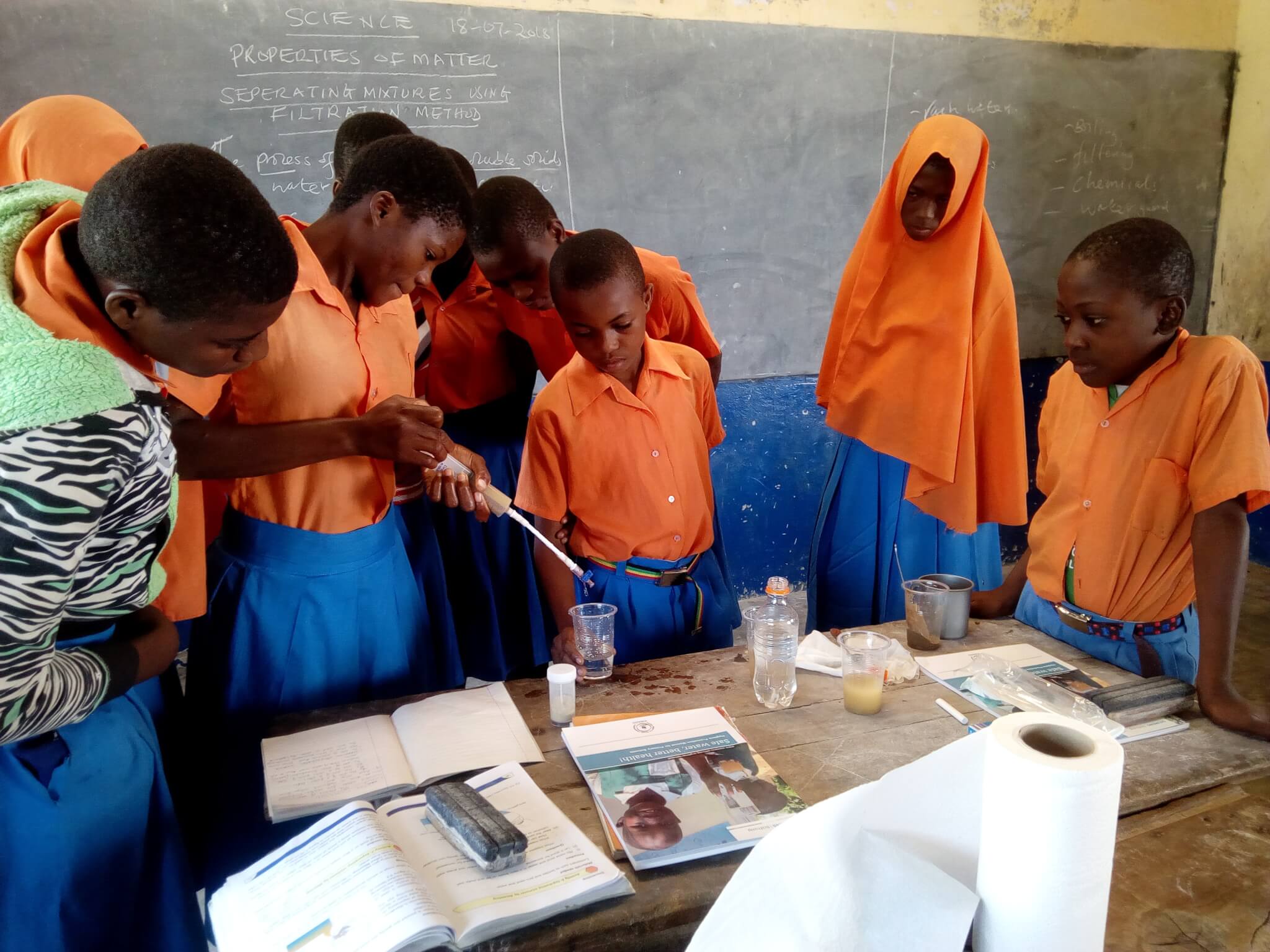
The 6,000 liter tank is connected to the municipal water supply and was installed at the school in 2004. It provides water for hygiene purposes, drinking, cooking and sprinkling on the dusty classroom floors. The school has a water committee that is in charge of the water bills and operation and maintenance.
2nd VIP latrine - Baptist Primary School

VIP latrine and water tank at Makina Baptist PS.
Sanitation situation at Baptist school:
The school compound is about an eighth of an acre, with an enrollment
of 470 pupils the school is congested which makes the compound dusty and
without adequate sanitation facilities to serve the school community.
The pupils and teachers share a 4-door pit latrine that fills after every
2 months. This is expensive for the school to sustain because every trip
of the exhauster costs KSH 1,000. The less than 10 feet deep pit will
require KSH 3,000 to empty all the waste.
Currently the school has a safe VIP latrine constructed in the 2nd phase
of the KWAHO water and sanitation project with funding from WaterCan.
The facility also has a hand washing basin with a tap connected to the
water tank in the school compound.
Waste management by the KWAHO Afya Group
KWAHO has trained eleven youth (Afya (health) group) in waste management whose working motto is “garbage free Kisumu Ndogo”. The group is part of the CBO established and trained by KWAHO.
The Afya group does the following:
• Collection of garbage from the village households and nearby business
premises at a fee of KSH 20 per week.
• Transportation of the waste to the collection cum incineration
point constructed by WaterCan in partnership with KWAHO and the CBO
• Sorting of the waste to separate re-usable materials which can
be sold, non plastic materials that can be burnt at the incineration area
and organic matter that is later transferred to the compost situated nearby
the collection point.
• Weekly clean up exercises takes place every Sunday afternoon and
involves all CBO members. Clearing of open drainage systems mostly clogged
by waste and door to door sensitization campaigns on environmental sanitation
and hygiene promotion are other activities incorporated in the clean up
exercise. The waste in its decomposing form is taken from the draining
and added to the compost to make manure that is sold to people with flower
and vegetable gardens in Nairobi.
Lessons learnt from working with Kibera communities
• It is only the community that can take care and charge of their
resources, when the project is new many of the members would not like
to commit themselves to participate. Proper training and involvement of
all stakeholders is the life line of any community project. Sabotage and
vandalizing of the installations are some of the problems that are likely
to face a young project and it calls for clear objectives so that no community
member treats the project with skepticism.
• Provisions of water and sanitation services alone are not enough
to transform the community and they will give all sorts of excuses to
avoid change. The excuses could be financial, time or even denial but
it is simply a personal decision.
• Hygiene is a personal initiative and calling upon a large group
people to transform does not achieve a lot. Sometimes people have to be
challenged individually to own the responsibility.
• There is a correlation between the level of education and the
rate of transforming hygiene practices. The higher the level of education
the easier it is to understand and transform.
• Men should equally be targeted for sensitization and training
if gender roles imbalance currently existing in Kibera is to be reversed.
Some men do not know or think that even women are capable of doing so
much. Many of them also do clearly understand the relationship between
water, living environment and diseases.
• Achieving success through a newly formed group in an urban setting
gives a lot of challenges. Sociologically members come from different
backgrounds which tend to threaten group cohesion.
• It takes a long time and effort to mobilize, train and transform
a group into a community based organization that can manage income generating
activities effectively. It may take as long as 10 months for them to understand
the project objectives and share the vision.
Conclusion
More important though is the fact KWAHO has developed the capacity of
one more 2 CBO to identify, develop and manage their own resources. Hygiene
promotion campaign skills impacted on the group will go on in the community.
KWAHO will continue to monitor, guide and to motivate them to enhance
efficiency and sustainability.
Links
Read more about this project:
Improving conditions in Nairobi's slums, by George Yap, Program Director
(local copy
of this article)
Grade sixer visits Devonshire sister school in Nairobi, Kenya
TOP | HOME | INTRODUCTION | NEWS | TECHNOLOGY | PROJECTS | SERVICE | CONTACT | YOUR ACTION
Bookmark this page
© KWAHO, ,
KENYA WATER FOR HEALTH ORGANISATION